
Topic
| UN development programme | Topic | Member states | Links and documents | Contact |
|---|
Sustainable Development and Post-Conflict Recovery
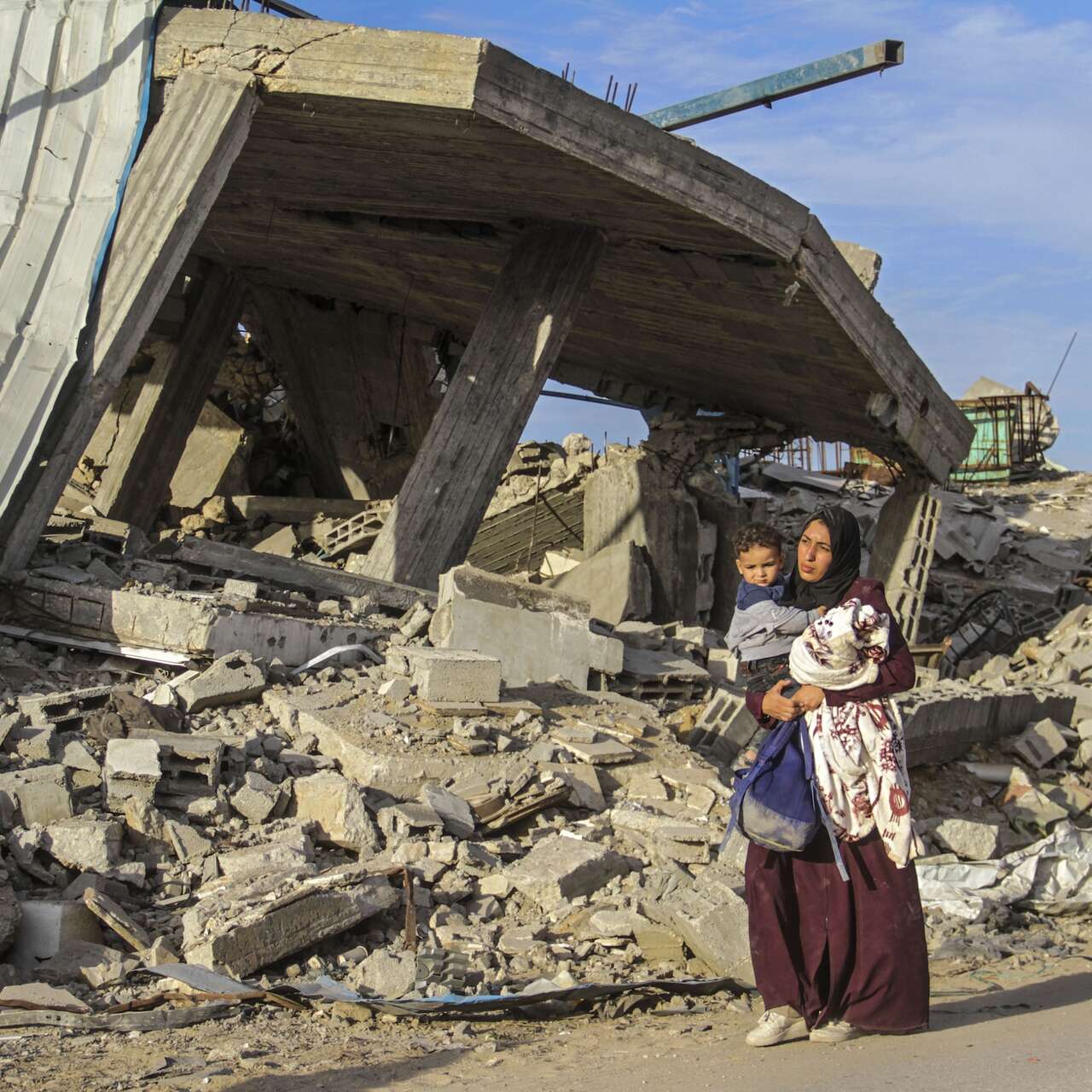
Armed conflicts across the Middle East have reshaped the social, economic, and political landscape of the region. Countries such as Syria, Yemen, Iraq, and Libya have experienced years of fighting that have destroyed entire cities, displaced millions of people, weakened state institutions, and reversed decades of development progress. The aftermath of these conflicts presents some of the most extensive reconstruction challenges in the world today. The process of rebuilding is not limited to repairing damaged buildings. It involves restoring public services, re-establishing governance, reviving national economies, addressing humanitarian needs, and developing long-term strategies grounded in sustainability and resilience.
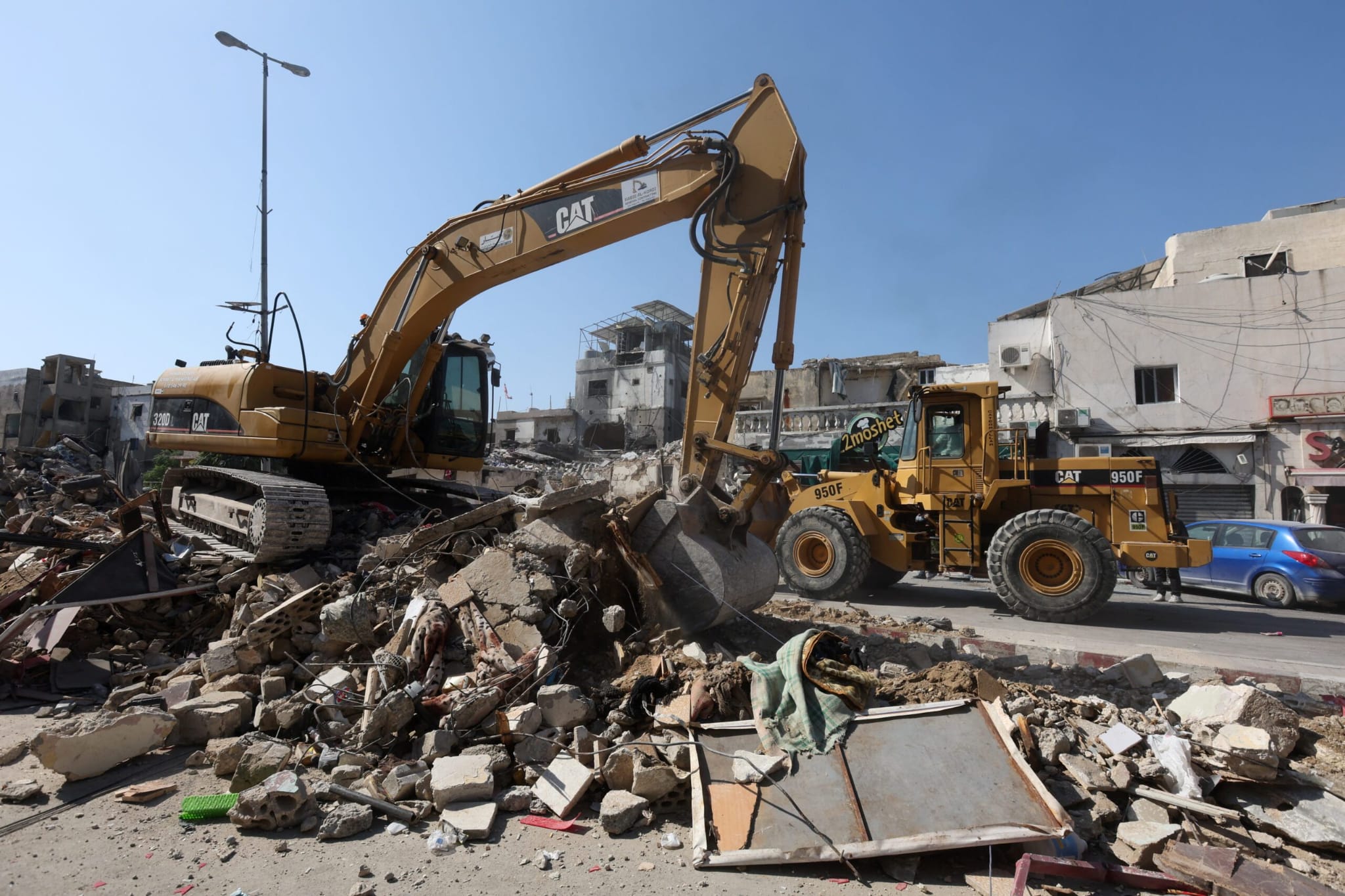
The scale of physical destruction is enormous. In several countries, residential neighbourhoods, hospitals, universities, cultural heritage sites, roads, bridges, ports, industrial zones, and energy networks have been severely damaged or completely destroyed. Rebuilding this infrastructure is a basic requirement for allowing citizens to return to their homes, access essential services, and resume normal economic activity. Damaged water and electricity networks, for example, prevent communities from stabilising and create further health and social risks. Many cities face the additional challenge of unexploded ordnance, unsafe buildings, and polluted land, all of which slow down reconstruction efforts and restrict the movement of returning populations.
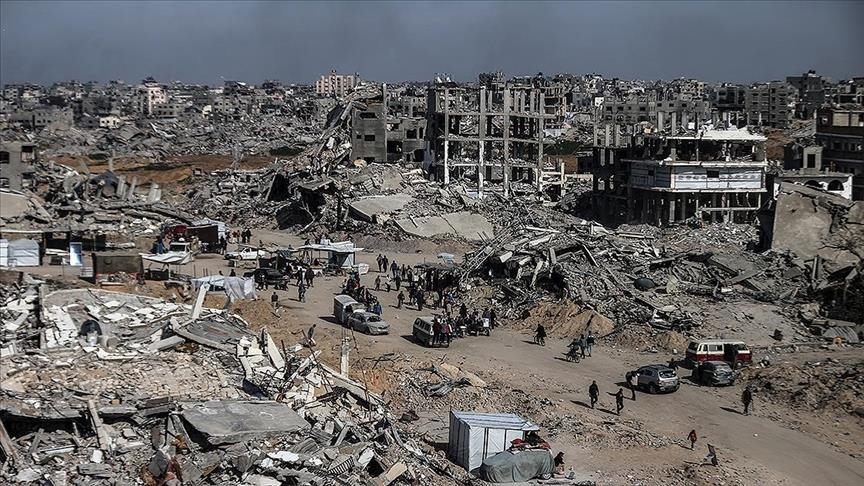
However, physical reconstruction alone is not sufficient. Conflicts have also disrupted the administrative and institutional foundations of many states. Government ministries, local authorities, courts, and public service providers have often lost staff, resources, and operational capacity. In certain regions, multiple authorities claim legitimacy, creating divided or overlapping governance structures. This fragmentation affects almost every aspect of reconstruction, from distributing aid to managing budgets, coordinating infrastructure projects, and ensuring security. Strengthening governance institutions, building trust between citizens and authorities, and establishing transparent, effective decision-making systems are core elements of post-conflict recovery.
Economic reconstruction is another major dimension. Years of conflict have destroyed industries, cut off access to regional and international markets, reduced agricultural production, and dramatically increased unemployment. Inflation, currency devaluation, and the loss of investor confidence also undermine economic recovery. Many families who previously benefited from stable incomes now rely on humanitarian assistance. Restoring economic activities requires rebuilding production capacity, supporting small and medium enterprises, encouraging private-sector growth, modernising agriculture, creating employment opportunities, and improving access to financial services. Long-term economic stability cannot be achieved without functioning public institutions, security guarantees, and an economic environment that supports investment and entrepreneurship.
The human cost of conflict is profound. More than 30 million people across the region are refugees or internally displaced. Families have been separated, communities have been uprooted, and generations of children have missed years of schooling. Large-scale displacement has long-term social consequences, affecting education, health, community cohesion, and labour-force participation. Reintegration of displaced populations depends on safety, access to housing, restored infrastructure, employment opportunities, and inclusive social policies. In many cases, host communities and neighbouring countries that received refugees face economic and social pressures of their own, further complicating the regional impact of the crises.
Health and education systems are among the sectors most affected. Damaged hospitals, shortages of medical staff, interrupted vaccination programmes, and limited access to essential medicines weaken overall public health and make populations more vulnerable to disease. Education systems also suffer when schools are destroyed, teachers flee, or children are forced into early labour to support their families. Rebuilding these systems requires investment in infrastructure, training and hiring personnel, updating curricula, and ensuring equal access to services for all groups, including women, children, and rural communities.
Environmental challenges add another layer of complexity. The Middle East is one of the world’s most water-scarce regions, and conflict has intensified existing environmental pressures. Damaged water treatment plants, polluted waterways, deteriorating irrigation systems, and neglected waste management contribute to environmental degradation. Climate change compounds these issues with rising temperatures, more frequent droughts, and unpredictable weather patterns. Sustainable development principles, such as the use of renewable energy, efficient water management, sustainable agriculture, and climate-resilient infrastructure, are essential for long-term recovery. Reconstruction that ignores environmental priorities risks deepening existing vulnerabilities and creating new forms of instability.
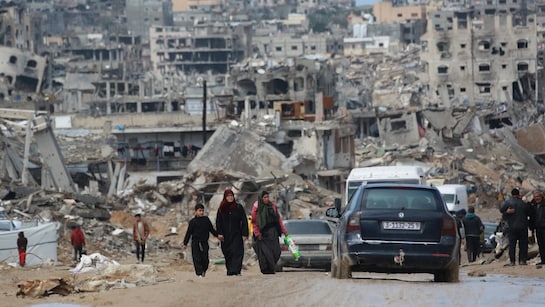
The United Nations Development Programme (UNDP) plays an important role in assisting these countries as they transition from conflict to recovery. Its work focuses on restoring essential services, supporting governance structures, reducing poverty, and promoting sustainable development. UNDP engages with national governments, local authorities, civil society, and international partners to implement reconstruction programmes that address immediate needs while laying the foundations for long-term stability. This includes rehabilitating hospitals and schools, rebuilding electricity and water systems, supporting public administration, facilitating community reconciliation, and stimulating economic recovery through job creation and financial assistance.
UNDP also emphasises inclusive development. Conflicts affect different groups in different ways, and reconstruction processes need to consider the needs of women, youth, minorities, and rural populations. Women in particular face heightened risks during conflict, including loss of income, limited mobility, and reduced access to healthcare and education. At the same time, post-conflict environments offer opportunities to expand women’s participation in public life and the workforce. Involving women in decision-making, peacebuilding, and economic development strengthens the resilience and inclusiveness of recovery efforts.
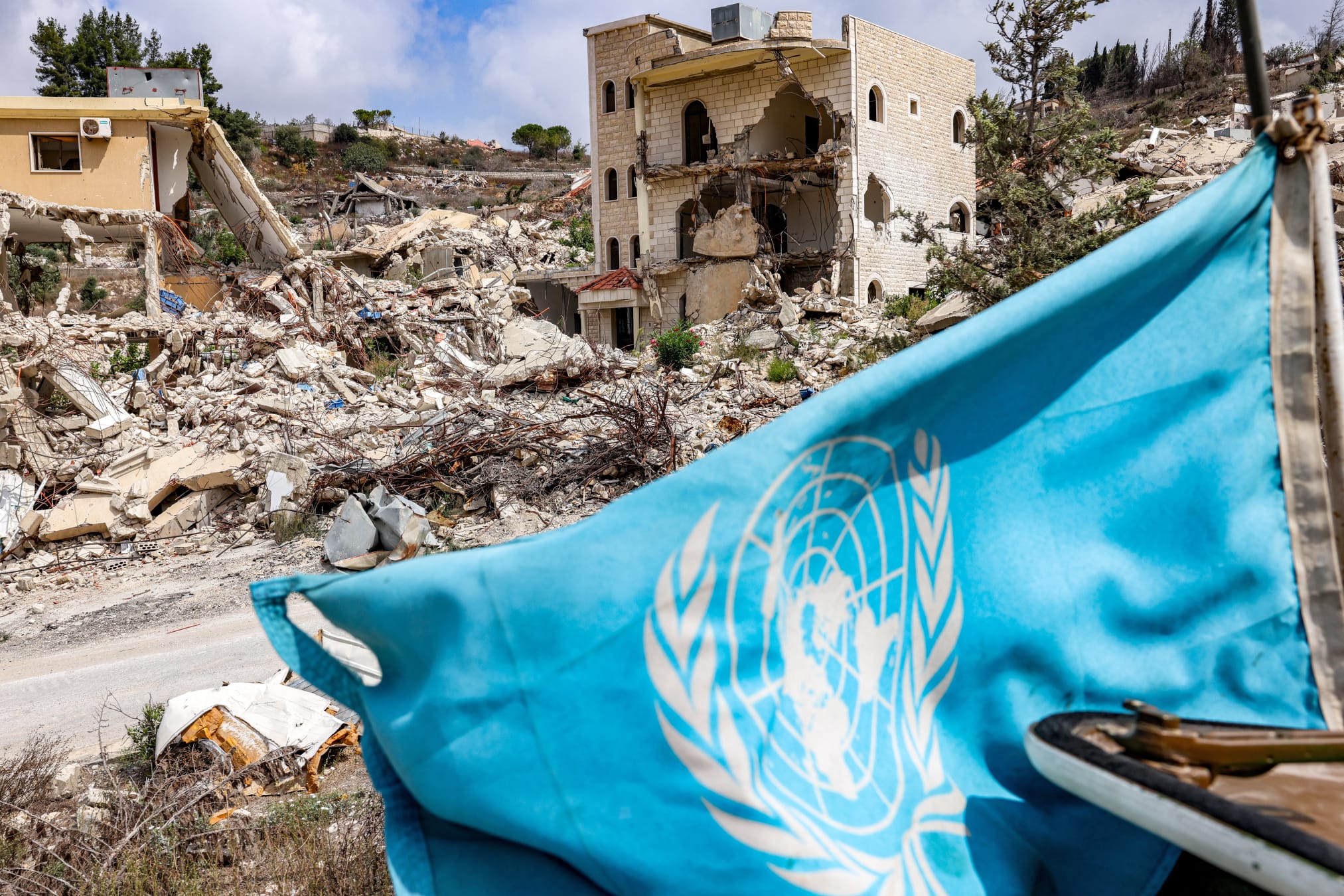
Urban planning and housing reconstruction are major components of rebuilding war-torn nations. Entire districts must be redesigned, infrastructure upgraded, and housing constructed in a way that meets modern safety and environmental standards. This requires coordination between governments, engineers, architects, utilities, and international partners. In some countries, property ownership has become a contested issue due to missing land records, destroyed documentation, or demographic changes during the conflict. Addressing these property and legal issues is essential for allowing displaced families to return and rebuild their lives.
Cultural heritage also holds significant importance. Many Middle Eastern countries possess ancient sites, monuments, and traditions that form part of global heritage. Conflicts have damaged museums, archaeological sites, and historical centres, representing not only material loss but also the loss of cultural identity. Reconstruction efforts often include restoring these sites, preserving local traditions, and supporting cultural industries as part of broader social recovery.
Rebuilding war-torn nations requires cooperation among national governments, international organisations, financial institutions, non-governmental organisations, and local communities. No single actor can manage reconstruction alone, especially given the scale of destruction and the diversity of challenges. International aid provides essential resources, but long-term success depends on local ownership, effective governance, and sustainable development practices. Regional cooperation can also support recovery, especially in areas such as electricity interconnection, trade, refugee support, and environmental management.
The long-term goal of aiding war-torn Middle Eastern nations is not only to repair what was destroyed but to create stronger and more resilient societies. Sustainable development serves as the guiding framework for achieving this. It links immediate reconstruction with long-term goals such as economic diversification, environmental protection, improved education and healthcare, social equality, and accountable governance. By integrating sustainability into every stage of reconstruction, countries can build systems capable of withstanding future crises, whether political, economic, or environmental.
The rebuilding of these nations is a lengthy and complex process that extends beyond the end of conflict. It involves addressing urgent humanitarian needs, stabilising political institutions, revitalising the economy, restoring essential services, protecting the environment, and laying the foundations for durable peace. The topic highlights the interconnected nature of these efforts and underlines the importance of broad, coordinated, and sustainable approaches in helping Middle Eastern countries move from destruction toward a stable and prosperous future.
Proposed Discussion Questions on the Committee Topic:
- In what way should international organisations and global powers intervene in post-conflict middle-eastern reconstruction, and how can they balance providing essential support while ensuring the safekeeping of nations’ sovereignty and promoting locally driven development?
- How can sustainable development principles, such as renewable energy and climate resilient infrastructure, be effectively integrated into reconstruction efforts without slowing down urgent recovery needs? How might we ensure long-term functionality of such systems?
- What forms of regional cooperation in the domains of trade, energy, refugee support, and environmental management are most important for long-term stability and recovery of Middle Eastern countries emerging from conflict?