
Topic
| UNFPA | Topic | Member states | Links and documents | Contact |
|---|
Youth, Peace and Security: Shaping Resilient and Inclusive Societies
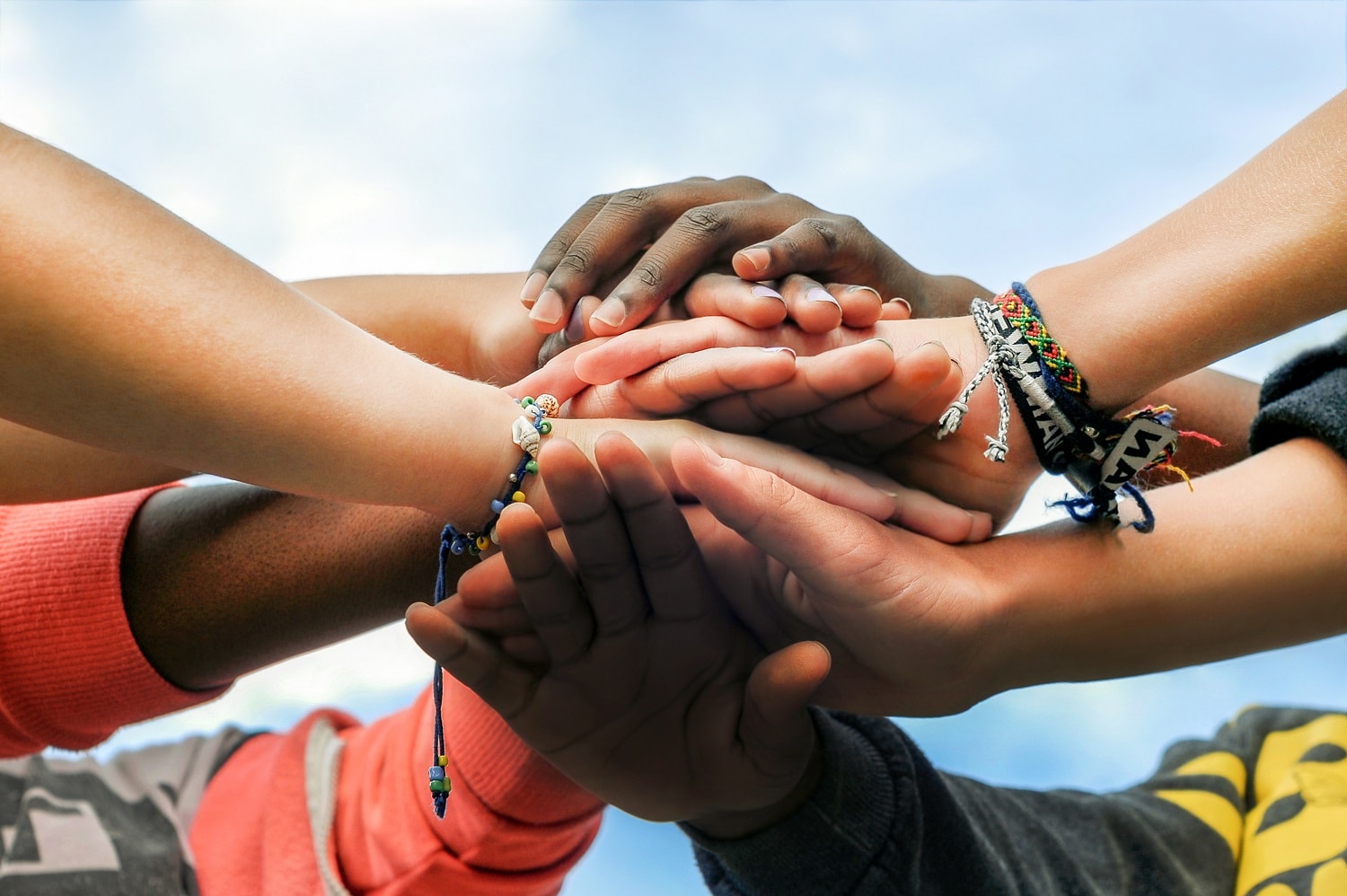
The current generation of young people is the largest that has ever existed in history, comprising 1.8 billion people between the ages of 10-24. Half of the world's population is under 30, and this is expected to reach 57 per cent by the end of 2030. Therefore, young people, as the inheritors of our planet, have the most to lose if we fail to take action on critical issues. They are now more connected than ever and are eager to contribute to the resilience of their communities. We have witnessed their power to drive change through various movements demanding, e.g. climate action, racial justice, and the rule of law.
Being young has consequently become a synonym for change, progress, and the future. Ultimately, it involves facing challenges and creating or recreating a space for full future development. It means transforming problems into opportunities and solutions while being the driving force of society. The United Nations acknowledged these issues, leading to the creation of the Youth, Peace, and Security (YPS) agenda. The Youth, Peace, and Security (YPS) agenda gained prominence on the international stage following the adoption of United Nations Security Council Resolution 2250 in 2015. This resolution marked the first instance in which the Security Council recognised the significant role that young people play in the maintenance of peace and security. Subsequently, the Security Council adopted two additional resolutions referring to YPS- Resolution 2419 in 2018 and Resolution 2535 in 2020, which further expanded the agenda and provided a robust framework for its implementation.
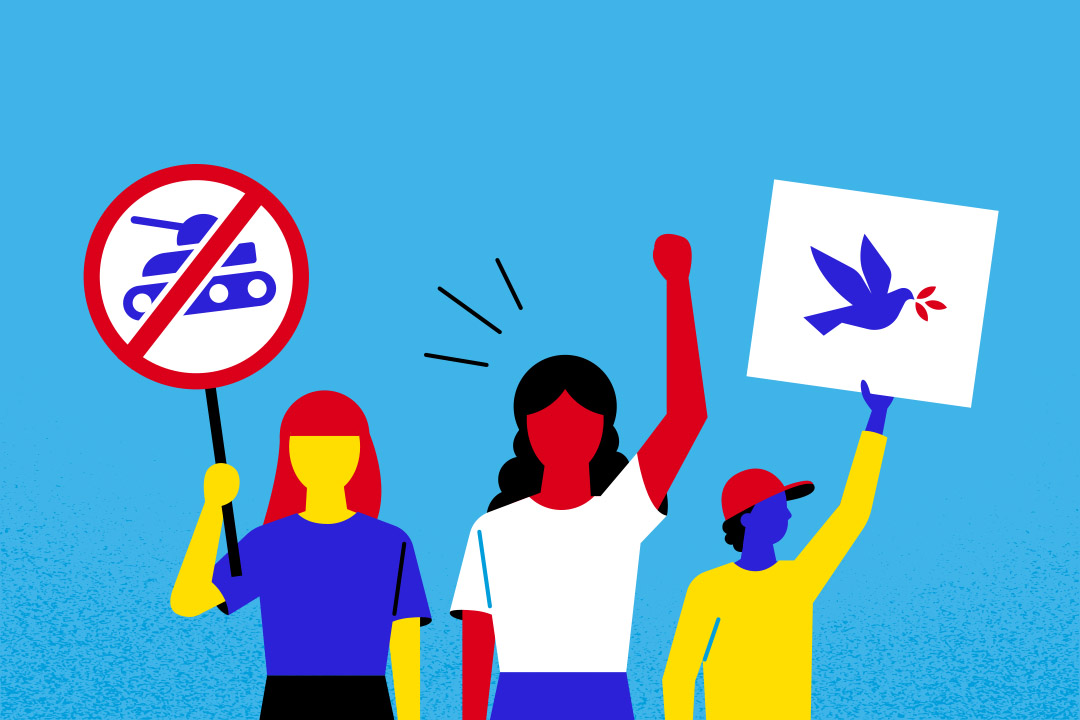
The YPS agenda focuses on five key pillars: participation, protection, prevention, partnerships, and disengagement and reintegration.
The YPS agenda goes beyond viewing youth just as victims of conflict. Regardless of many young people being affected by war, often making up the majority of those recruited into armed groups, displaced from their homes, or denied essential services, the YPS agenda strives to emphasise their agency and potential as peacebuilders. Young people contribute energy, innovation, and a strong interest in creating a more peaceful future, utilising technology and social media to mobilise communities and advocate for change.
UNFPA has also played an instrumental role in shaping the YPS agenda, building both on its programmatic experience of engaging women and young people in conflict and post-conflict contexts, and also on its analysis of the “demographic dividend” (mentioned in resolution 2250). The YPS agenda is integrated in UNFPA’s 2018-2021 Strategic Plan, and it is a pillar of the UN Youth Strategy. YPS is also a central component of “My World” under UNFPA’s global strategy for adolescents and youth, My Body, My Life, My World, which states: ‘All adolescents and youth must have opportunities to learn and practice evolving decision-making skills in their families, communities and beyond. This is also true in humanitarian and peacebuilding contexts, where adolescents and youth are critical agents of positive change. Bolstering youth movements and working with youth-led organisations will expand possibilities for them to shape a more equitable, peaceful and just future.’
Young people are still mostly excluded from the decision-making tables where their future is being shaped, whether at the national level, where youth councils often have little influence, or at the international level, where their participation in discussions on peace, sustainable development, and human rights remains limited. If young people are not involved in the entire decision-making process, policies risk becoming tokenistic which results in decision-making that is disconnected from the lived experiences, expertise, and solutions of young people.. Consequently, trust and confidence in public institutions erode, and policymaking is rendered less effective.
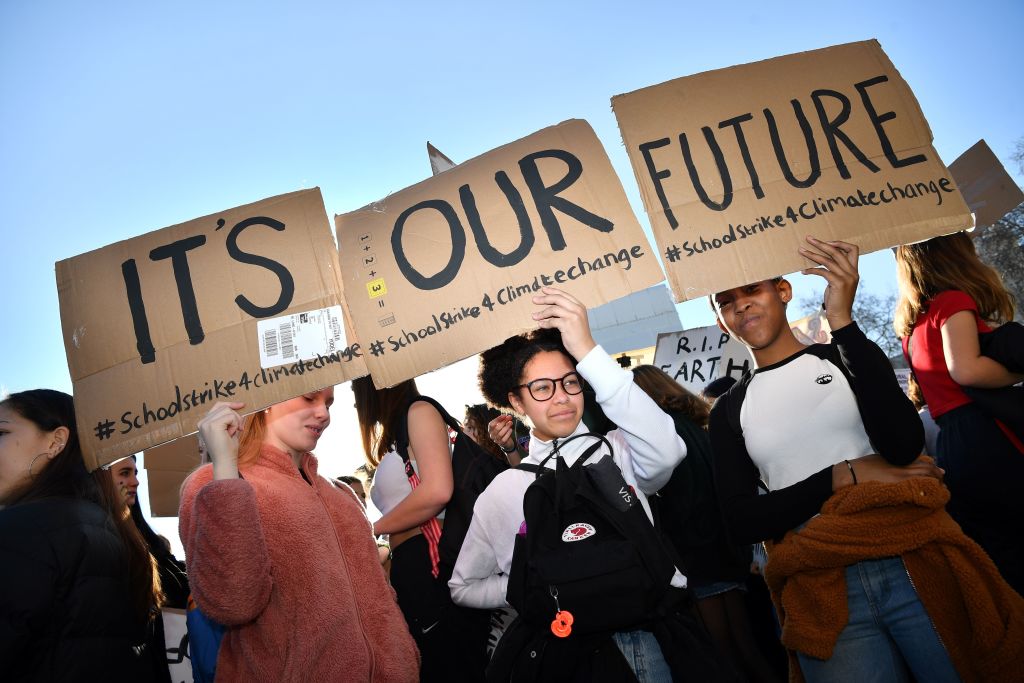
This framework is designed to empower young people, safeguard their rights, prevent their involvement in violence, and enhance their access to education, job opportunities, and other resources. It encourages collaboration and supports meaningful reintegration for those who have previously been involved in conflict. Ultimately, the Youth, Peace, and Security agenda emphasises the importance of investing in youth and acknowledging their potential to create a more peaceful and secure future for everyone. It’s about equipping them to co-create solutions, challenge existing norms, and hold decision-makers accountable. Research has shown that when young people are genuinely included in the process, policies become more responsive, innovative, and sustainable.
Meaningful youth engagement isn't just about giving young people a voice; it's about amplifying the voices they already possess. It's about building trust, fostering collaboration, and unlocking the transformative potential of a generation ready to shape a better world.

Proposed Discussion Questions on the Committee Topic:
- How can countries implement the idea of active participation of youth among young people? How can they be encouraged to make a change in their environment?
- How can countries ensure youth are included in the decision-making process for issues that concern them?
- How can countries encourage their youth to actively collaborate, locally and globally, to contribute to shaping safer and more inclusive societies?
- Which actions would make international collaboration among youth more achievable and impactful?